Fall is here! Are you ready? Learn about the importance of a fall inspection and how it can save you money and a headache down the road.

Fall in Colorado is the perfect driving season. Cooler temps, beautiful scenery with changing leaves, weekend trips into the mountains, and hopefully a little time before winter really swings into effect.
It’s also one of the best times of year to take a closer look at your vehicle.
The first cold morning, early October snowfall, or snowy/icy drive can really expose problems that were easy to ignore during summer. A weak battery may now struggle more to start the car. Worn tires lose traction in colder weather. An alignment issue becomes more noticeable on slick roads. Maintenance that was already coming due can suddenly become much harder to put off.
Taking care of those things early usually gives you more options and fewer surprises.
Start With the Basics
Fall maintenance does not mean replacing everything on your vehicle before winter. It means knowing where your vehicle currently is and planning for the winter YOU are expected to have.
Are you driving up to the mountains to Ski? Planning a stay in Aspen? Or just commuting to work and staying home because the cold just isn’t for you? It matters what your own plans are, and that starts with an inspection to know where you car currently IS.
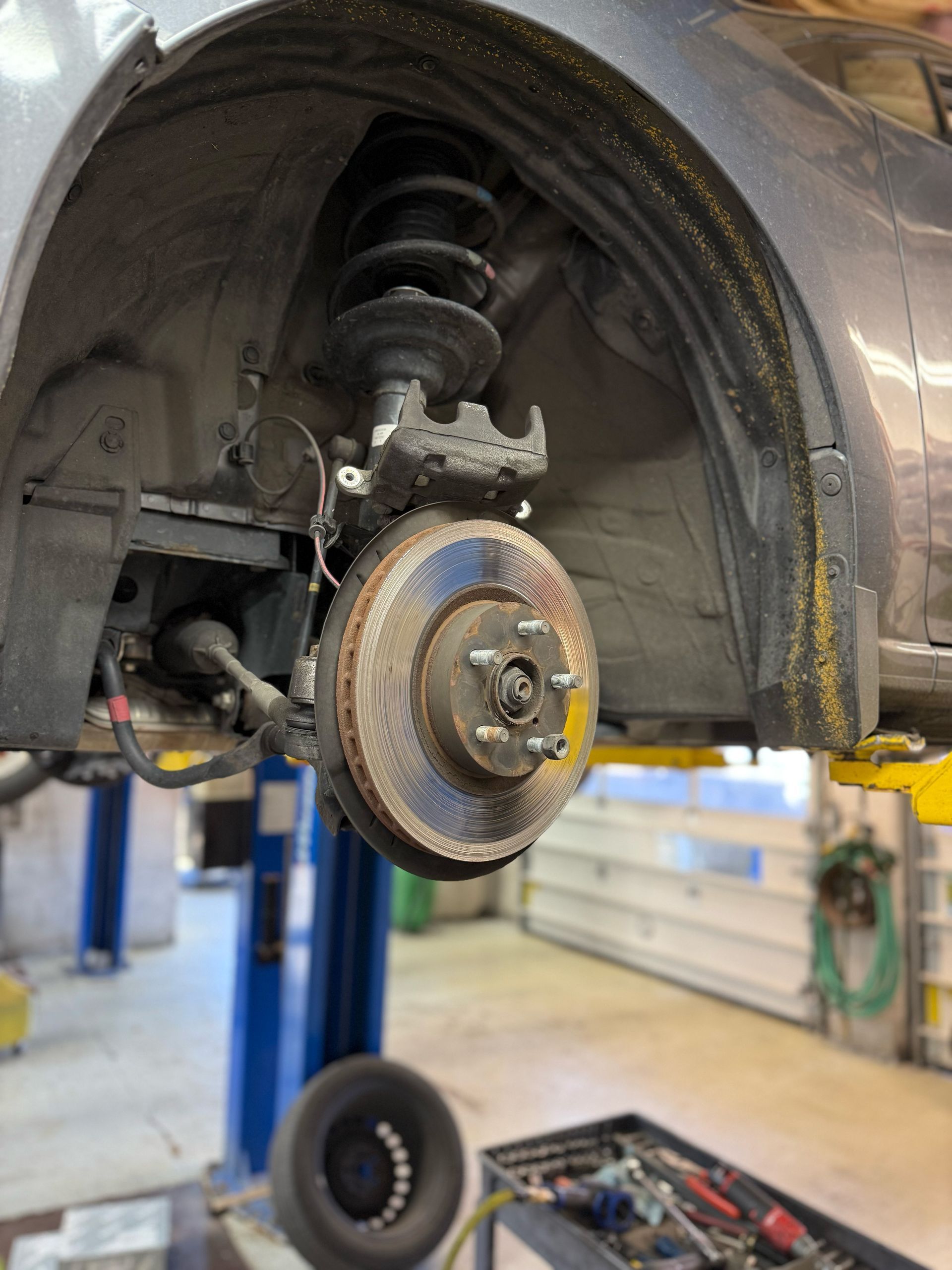
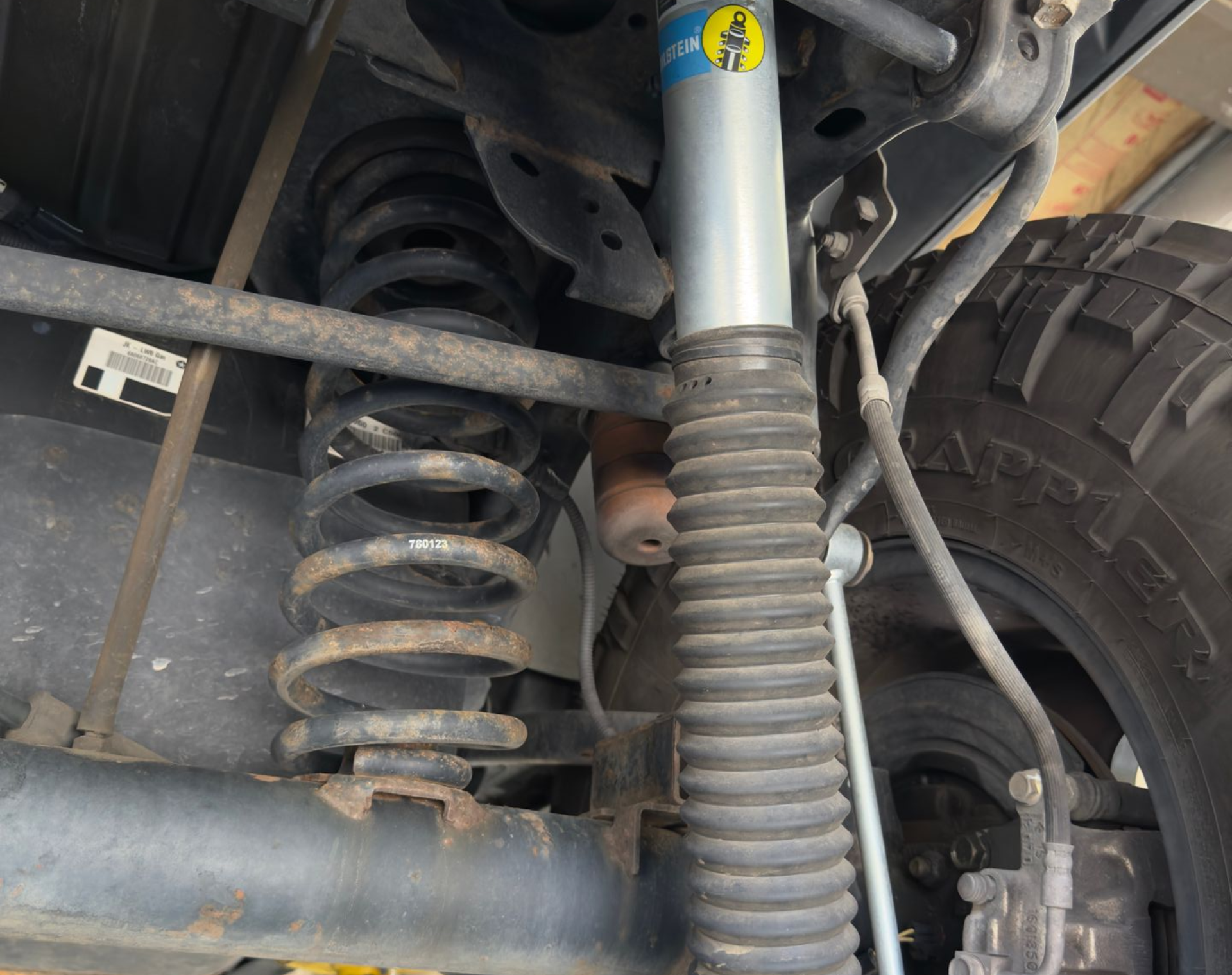
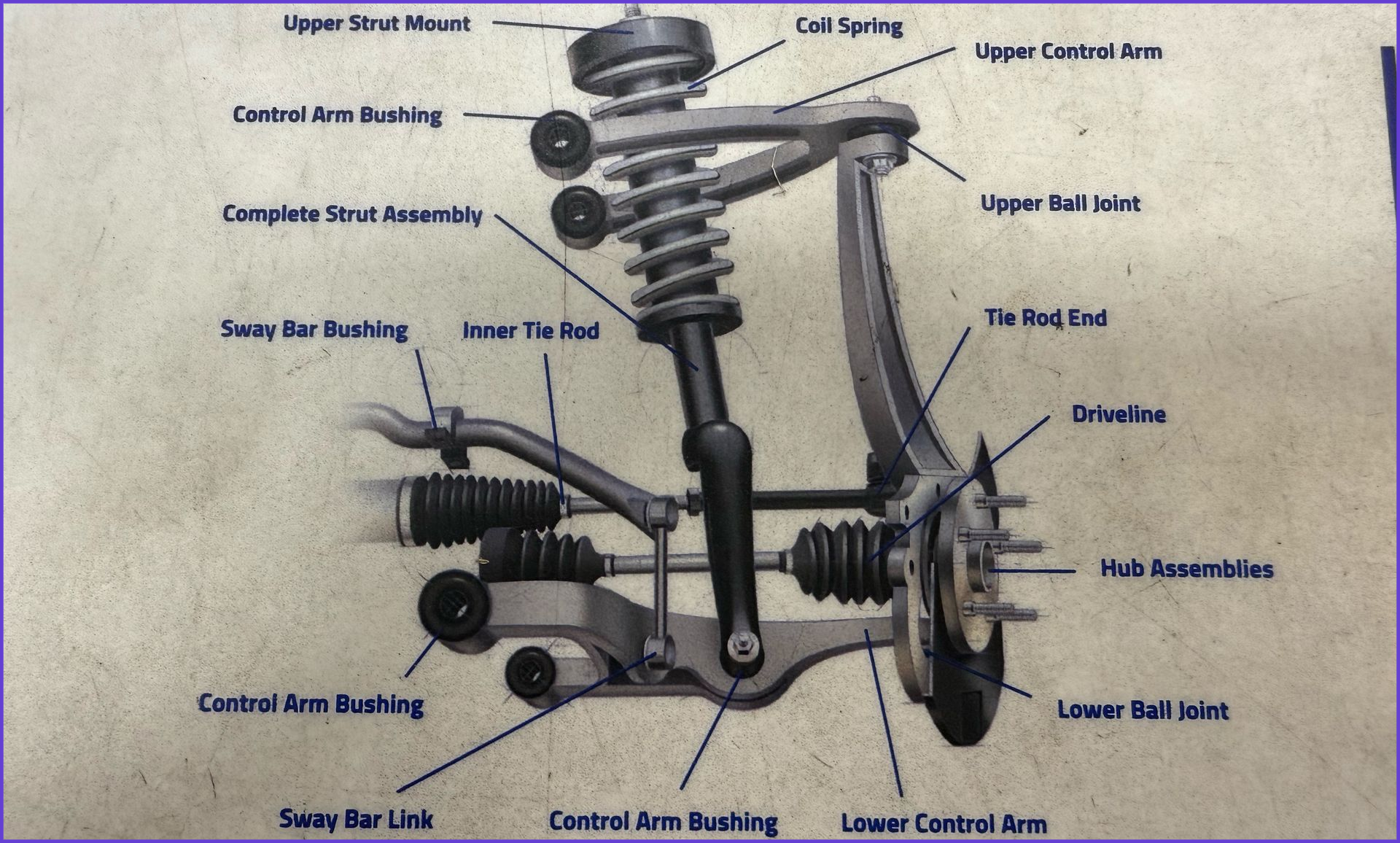
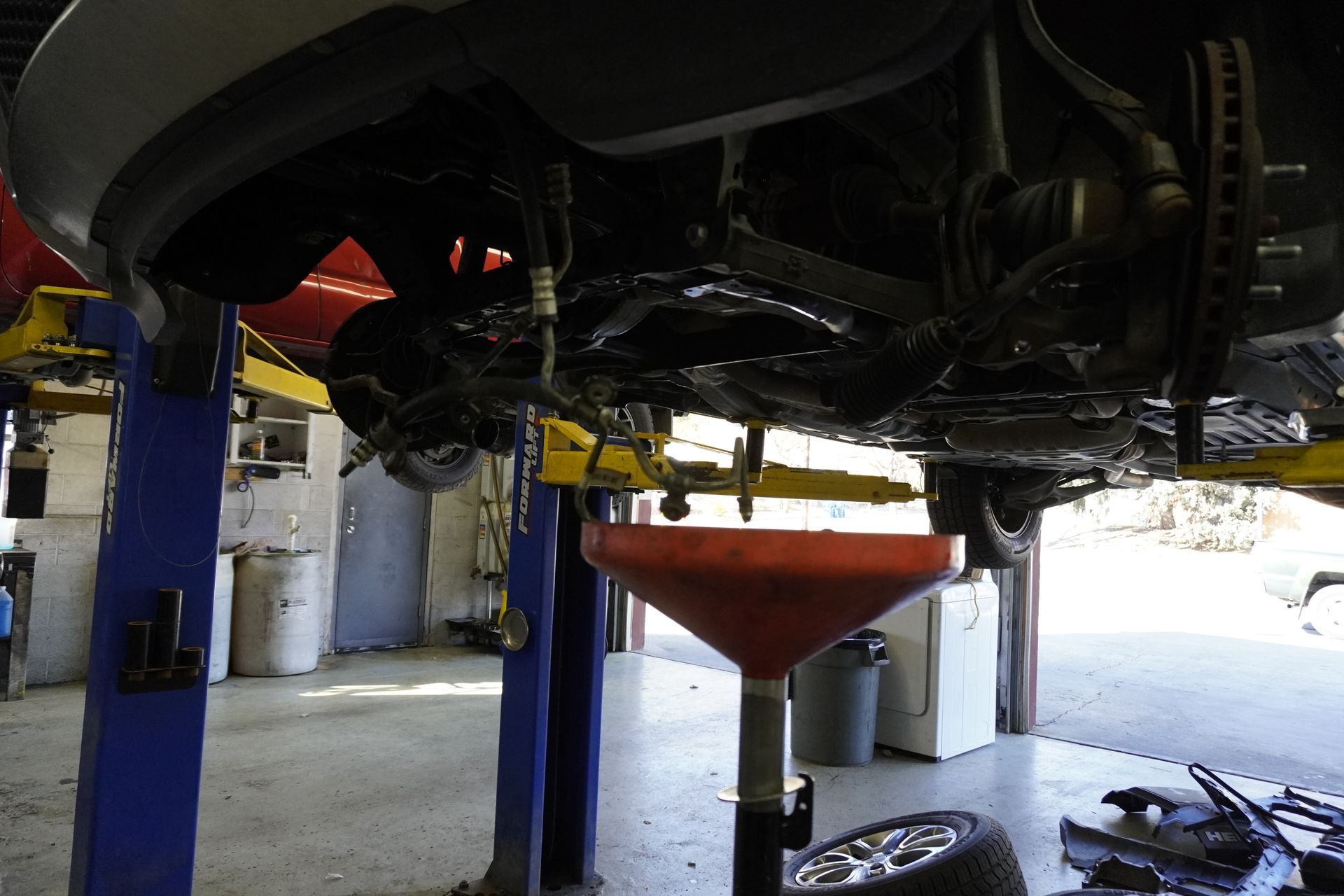
A good inspection can help identify maintenance items that are already due, items that will be coming up soon, and anything that may become more important once temperatures drop. That includes checking fluids, belts, hoses, brakes, suspension components, the battery, alignment & tire conditions, and other basic safety items.
At West Highlands Auto Repair - serving the Highlands, Sloan's Lake, and Wheat Ridge Area - our goal is to let you know what needs attention now, what can wait, and what you should plan for over the next few months.
Having the full picture is especially important if you commute every day or regularly drive into the mountains.
Your Tires Matter More as the Weather Changes
Tires are one of the biggest factors in how your vehicle handles rain, snow, ice, and changing road temperatures & conditions.
There is more to tire condition than simply whether the tire is at or near the wear bar (worn out).
Tread depth, tire age, uneven wear, air pressure, and the type of tire you are driving on all matter. A tire that felt perfectly acceptable on dry summer pavement will behave very differently during an October snowstorm or while coming down a mountain pass on a colder day.
Fall is a good time to check your current tires and decide whether you are comfortable using them through winter. The Colorado Department of Transportation (CDOT) has a minimum requirement of 3/16ths or 6/32nds for all vehicles when an active Traction Law is in effect (generally advised by signage in the Fall to Late Winter months). For perspective, the wear bar for most tires is at 2/32nds or 1/16th- so a lot of partially worn All-season tires or even brand new summer tires are out of compliance.
For drivers who switch between summer and winter tires, plan the changeover early to avoid fines. Also, avoid waiting until the first major snowfall, when everyone else has the same idea, to ensure you’re already prepared when the snow does come (because in Colorado, it comes abruptly).
Uneven Tire Wear Can Point to an Alignment Issue
If the inside or outside edge of a tire is wearing faster than the rest, replacing the tire may only solve part of the problem.
Alignment determines how your wheels sit in relation to the road and to each other. When the alignment is out of specification, the vehicle may pull, the steering wheel may sit off-center, or the tires may wear unevenly. Sometimes all at once.
Generally you don’t notice anything unusual at all until the tires are actually inspected.
Colorado roads can be especially hard on suspension and alignment. Potholes, rough pavement, construction, curbs, and mountain driving in general can all contribute over time.
If you are installing a new set of tires, noticing uneven wear, or already having suspension work performed, it is worth checking the alignment rather than allowing the same wear pattern to continue on the next set of tires.
The Cost of Waiting Is Not Always the cost of Original Repairs
One reason preventative maintenance matters is that the original problem is not always the expensive part. It’s almost exclusively the repair.
Driving too long with poor alignment can shorten tire life, and we all know how much tires can cost.
Ignoring worn suspension components can contribute to additional tire wear and affect how the vehicle handles. You want confidence in your vehicle when you’re driving in Colorado, because that’s the only level of confidence you can have when sharing the road with so many other people.
And waiting too long on routine fluid or maintenance services can increase wear on expensive components. Particularly, for your engine we’re talking in regards to coolant services, and for your transmission in regard to transmission services.
Generally, coolant services should be done every 5 years or according to your vehicle's manufacturer recommendation (found in your service manual or online, OR when you bring in your vehicle to us for ANY service).
When it comes to Transmission fluid services, it's specific to your particular vehicle (manufacturer recommendation) but it’s generally between 60,000miles - 100,000 miles. Even if your service manual says anything above 100,000 miles (i.e. Recommended every 110,000 miles or ‘lifetime’), we err on the side of caution and don’t recommend servicing a transmission passed 100,000 miles (case by case, but general rule of thumb) - PLEASE READ that this only applies if the transmission has not been serviced at any other point before the 100,000 mile mark. If it has been serviced at lets say, 80,000 miles and you’re at 120,000 miles, that would be ok.
There are so many caveats to the rule but I wanted to provide some form of an answer. This is why it’s a good idea to get the answer from a professional, whether it’s us or another shop, the specifics are just too specific to give a specific answer… what can I say, I have a way with words.
A small issue does not automatically mean something major is about to fail. But knowing about it early gives you time to make a decision instead of having the vehicle make that decision for you.
That is the difference between planning a repair and reacting to a breakdown.
Daily Drivers and Mountain Vehicles Have Different Demands
A vehicle that makes a short commute around Denver has a different workload than one regularly traveling through the mountains.
Mountain driving can add long climbs, steep descents, rapid weather changes, colder temperatures, and more demand on the brakes, tires, cooling system, and drivetrain.
If your vehicle regularly heads west for skiing, hiking, camping, or weekend trips, fall is a great opportunity to have it checked before winter travel becomes routine. Breaking down on i-70 is one of the worst things to experience in the winter (from personal experience, trust me).
Even for vehicles that stay mostly in town, colder temperatures and winter roads make reliable starting, good tires, predictable braking, and proper handling more important.
What Should You Take Care of First?
Not every recommendation has the same urgency.
We generally look at repairs and maintenance in three ways:
- Now (Marked Red on our Inspections): Safety concerns, active problems, or items that could affect the reliability or safety of the vehicle. Examples are metal to metal brakes, coolant leaking or engine overheating, active misfiring engine/flashing check engine light, and other items that can’t really fit into a descriptive list (oil dripping, no oil on dipstick, bald tires, blown out control arm bushings, etc.).
- Soon (Yellow/Sometimes Green): Wear or maintenance that does not require immediate repair but should be planned for in the near future. This is either based on mileage recommendations coming up soon, fluid beginning to seep/start coming out (unless if it’s coolant, we don’t like to play around with that), or other things that can wait. If you’re unsure, ask us, we’re happy to help and explain.
- Later (Green/Sometimes Yellow): Items that are worth monitoring or budgeting for but do not currently require action. This includes preventative maintenance, manufacturer recommended maintenance schedules, and all other things that aren’t ‘normal’ for your vehicle but something to note.
Our approach gives you a clearer picture of your vehicle without turning every inspection result into an emergency. If it feels that way when we do your inspection, please ask questions. The last thing we want is for you to feel like your car is going to explode if you drive it another mile. We’re always happy to explain what we find!
Plan Before the Weather Makes the Decision
The easiest time to prepare your vehicle for fall and winter is before you actually need it to be ready. The best time to prepare is NOW!
If your vehicle is due for maintenance, your tires are getting worn, the steering does not feel quite right, or you simply are not sure where everything stands, having it inspected now can give you time to plan.
At West Highlands Auto Repair, we can inspect your vehicle, check tire and suspension condition, perform alignments, and help you understand what deserves attention now versus what can reasonably wait.
Our goal is to give you enough information to make a comfortable decision about your vehicle. Whether you are driving across town every day or are constantly heading into the Colorado mountains all winter.
Plan ahead, know where your vehicle stands, and schedule service before the first real winter rush.
Call (303) 433-9233 or schedule online at westhighlandsautorepair.com/appointments to book your Fall inspection with West Highlands Auto Repair. Proudly Serving the Wheat Ridge, Highlands, and Sloan's Area for the past 24 years!
📍 Visit us at 5440 W 29th Ave, Wheat Ridge, CO
📞 Call us at (303) 625-6326
💻 Or schedule online:
westhighlandsautorepair.com/appointments
🟥▶️ Check out our New Youtube Channel! Here or at the link below